

I know you’re drowning in financial news right now.
Every notification promises to be the one that matters. Most of them aren’t.
Here’s the thing: the 24/7 news cycle isn’t designed to help you make better decisions. It’s designed to keep you scrolling. And somewhere in that flood of headlines are the actual signals that affect your money.
I built Eyex Business to cut through that mess.
This report pulls from primary economic data and real market performance. Not hot takes. Not speculation about what might happen next week. Just what’s moving markets right now and what it means for your portfolio or business.
You came here looking for financial news you can actually use. That’s what you’re getting.
I’m giving you the essential updates without the filler. The stuff that actually impacts your investments and strategy today.
No fluff. No endless analysis of things that don’t matter.
Just the information you need to make informed decisions and move on with your day.
The Macro-Economic Landscape: Inflation, Interest Rates, and Growth
Let me tell you what Jerome Powell said last month that everyone seems to be ignoring.
“We’re not declaring victory yet.”
That one line tells you everything about where we stand right now.
The latest CPI report came in at 3.1% year over year. Sounds good, right? But here’s what most people miss when they read the headlines. Core inflation (which strips out food and energy) is still sitting at 3.9%.
That gap matters.
Energy prices dropped hard in the last quarter. That’s your headline number looking pretty. But shelter costs? Still climbing at 6.2% annually according to the Bureau of Labor Statistics.
I was talking to a portfolio manager in Manhattan last week. She put it this way: “We’re seeing relief, not resolution.”
The Fed isn’t buying the good news yet either.
The dot plot from the December meeting showed most officials expect to hold rates higher for longer. The market keeps pricing in rate cuts by mid-2024, but the Fed’s own projections tell a different story.
Here’s what I’m watching. The unemployment rate ticked up to 3.7% last month. Not alarming on its own, but job openings fell to 8.7 million. That’s the lowest we’ve seen since early 2021.
GDP growth came in at 2.1% for Q4. Decent, but consumer spending is carrying most of that weight.
Some analysts say this proves we’ve achieved a soft landing. The economy is cooling without crashing.
But I’m not so sure. When you dig into the labor market data from financial news eyexbusiness, you see something interesting. Hours worked are declining even as headline employment holds steady. Companies are cutting hours before they cut headcount.
That’s usually what happens right before things get worse.
Sector Performance Analysis: Where Capital is Flowing
Let me show you where the money is actually moving right now.
Because if you’re watching the same sectors everyone else is watching, you’re already behind.
Technology and Communication Services are eating everything. I’m talking about real capital inflows, not just retail investors piling into the same three stocks. Institutional money has been flooding into tech at a pace we haven’t seen since early 2021.
The catalyst? AI isn’t just a buzzword anymore. Companies are posting earnings that prove the spending is paying off. Microsoft, Alphabet, Meta (they all report actual revenue from AI products now, not just promises).
Communication Services is riding the same wave. Streaming platforms are profitable. Digital advertising is back. The regulatory environment that everyone feared would crush these companies? It’s been quieter than expected.
But here’s what most people miss.
While tech runs, other sectors are getting left behind. Utilities, Consumer Staples, and Real Estate are struggling. And it’s not temporary.
These sectors face real headwinds. High interest rates hit them harder than growth stocks because of how they’re structured. Utilities carry massive debt loads. Real Estate Investment Trusts (REITs) can’t compete with bond yields. Consumer Staples are dealing with shoppers who’ve changed their habits permanently (not just during the pandemic, but for good).
According to recent coverage from financial news eyexbusiness, the pattern is clear when you look at the numbers.
Pro Breakdown: The Rotation Story
So is capital rotating from growth to value?
Not really. We’re seeing something different. It’s a consolidation of market leadership around a handful of sectors that can prove they’re making money right now. Value stocks aren’t suddenly attractive just because they’re cheap. They’re cheap for a reason.
The data shows concentrated flows into tech and communication while everything else trades sideways or down. That’s not rotation. That’s selection.
Key Corporate Earnings & Market-Moving Events
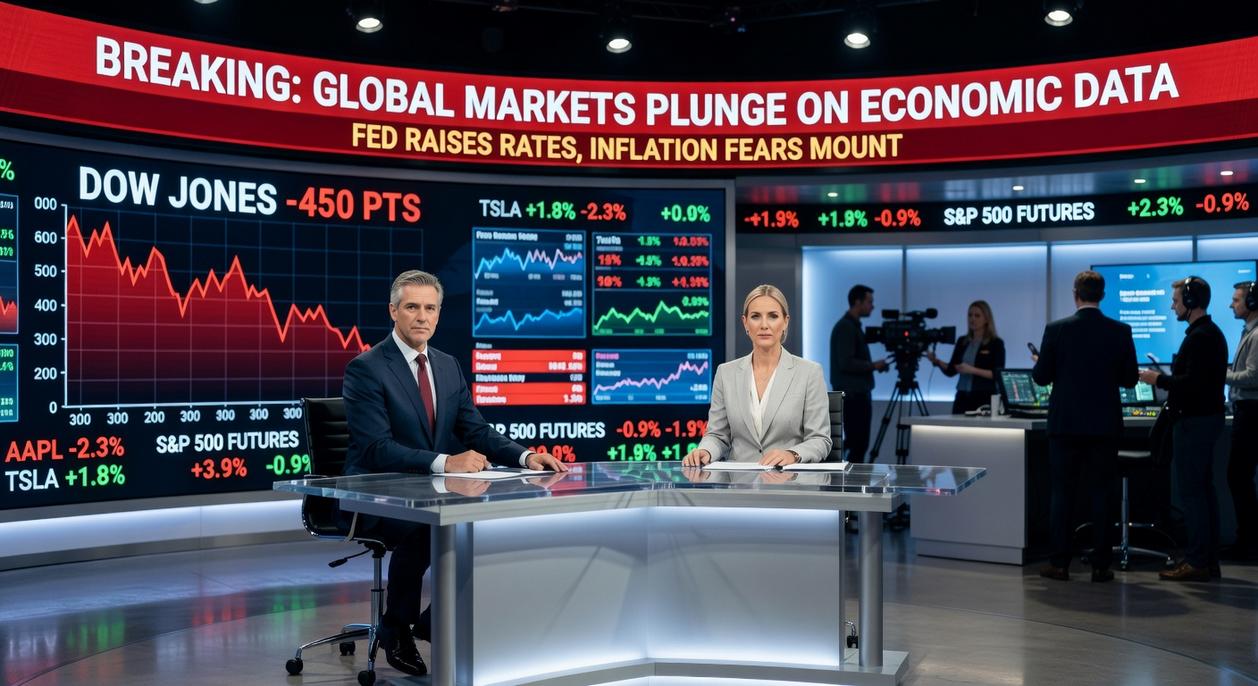
The numbers are in.
And they’re telling us something you need to hear.
I’ve been watching earnings season unfold, and the patterns are starting to make sense. Not just what companies are reporting, but what they’re saying about the months ahead.
Major Tech Earnings Paint a Mixed Picture
The big tech players just closed their books. Revenue growth is slowing but still positive. What caught my attention wasn’t the headline numbers though.
It was the guidance.
Several companies are pulling back on hiring and cutting costs. They’re preparing for something. Whether that’s a slowdown or just normal business cycles, you need to factor this into your thinking.
Banks are showing similar caution. Net interest margins are compressing as rate dynamics shift. Consumer loan demand is softening in some segments while remaining strong in others (credit cards are still hot, mortgages not so much).
M&A Activity Picks Up Steam
Here’s what matters right now.
Deal flow is returning after a quiet period. I’m seeing consolidation in healthcare and technology sectors particularly. Companies with strong balance sheets are shopping for assets at better valuations than we saw two years ago.
One recent acquisition in the semiconductor space shows where this is heading. Larger players are buying smaller innovators to fill gaps in their product lines. This reshapes competitive dynamics fast.
The eyexbusiness financial news by eyexcon coverage has been tracking these shifts closely.
Regulatory Shifts You Can’t Ignore
New banking regulations are rolling out. They’ll change capital requirements for mid-sized institutions.
On the international front, trade policy adjustments are creating winners and losers. Manufacturing companies with diversified supply chains are positioned better than those heavily concentrated in single regions.
What does this all mean for you?
Watch forward guidance more than backward results. Companies know what’s coming before we do.
Essential Tactics: Applying These Updates to Your Strategy
You can read all the market analysis you want. But if you don’t know how to apply it, what’s the point?
I’m going to break this down for investors and business owners separately because your next moves look different depending on where you sit.
If you’re an investor:
Start with your portfolio allocation. Inflation and interest rates aren’t just numbers on financial news eyexbusiness. They directly impact what you should own right now.
When rates stay high, bonds become more attractive. Stocks in sectors that rely on cheap borrowing? They struggle. This means you need to look at your risk tolerance again (even if you just did it last year).
Diversification matters more when markets get choppy. I’m not saying spread yourself thin across 50 positions. But if you’re heavily weighted in one sector, you’re exposed.
If you’re a business owner:
Consumer trends are shifting faster than most strategic plans can keep up. What sold well last quarter might not work next quarter.
Take a hard look at where you’re putting capital. Are you investing in areas that align with where consumers are actually spending? Or are you betting on what worked in 2022?
Here’s what I see working right now. Companies that focus on operational efficiency instead of just growth at any cost. The ones with strong balance sheets aren’t just surviving. They’re positioned to move when opportunities show up.
(And opportunities always show up when others are stretched too thin.)
Review your numbers monthly. Not quarterly. Things move too fast for that old rhythm anymore.
Your Actionable Financial Briefing
I built Eyex Business to cut through the clutter.
You don’t need more information. You need the right information at the right time.
This report gave you exactly that. The key financial news eyexbusiness covers today includes core economic indicators, sector movements, and corporate health metrics that actually matter.
Economic uncertainty makes everyone nervous. I get it.
But clarity beats confusion every time. When you focus on what drives markets instead of what distracts from them, your decisions get sharper.
You came here for a reliable overview of what’s happening in the market. Now you have it.
Here’s what to do next: Take these insights and apply them to your next financial review. Look at your investment portfolio through this lens. If you’re running a business, use this data to inform your strategic planning.
The market keeps moving. Your job is to move with intention.
Start your review today.
 Xlythra Grey is the visionary founder behind Eyex Business, a platform created to simplify complex business concepts and transform them into practical, actionable insights for modern entrepreneurs and professionals. With a strong passion for strategic development and market behavior, Xlythra established the website to become a reliable destination for readers seeking clarity in the fast-moving world of business, finance, and innovation. Her leadership combines analytical thinking with creative direction, helping Eyex Business stand out through detailed breakdowns and forward-focused reporting.