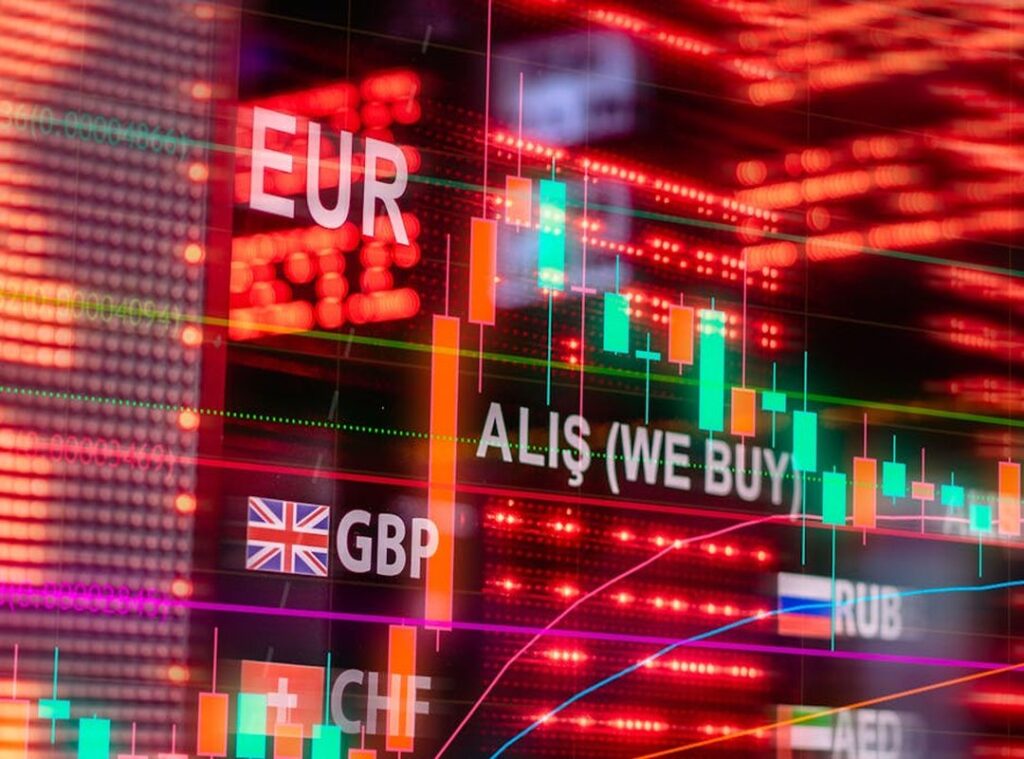
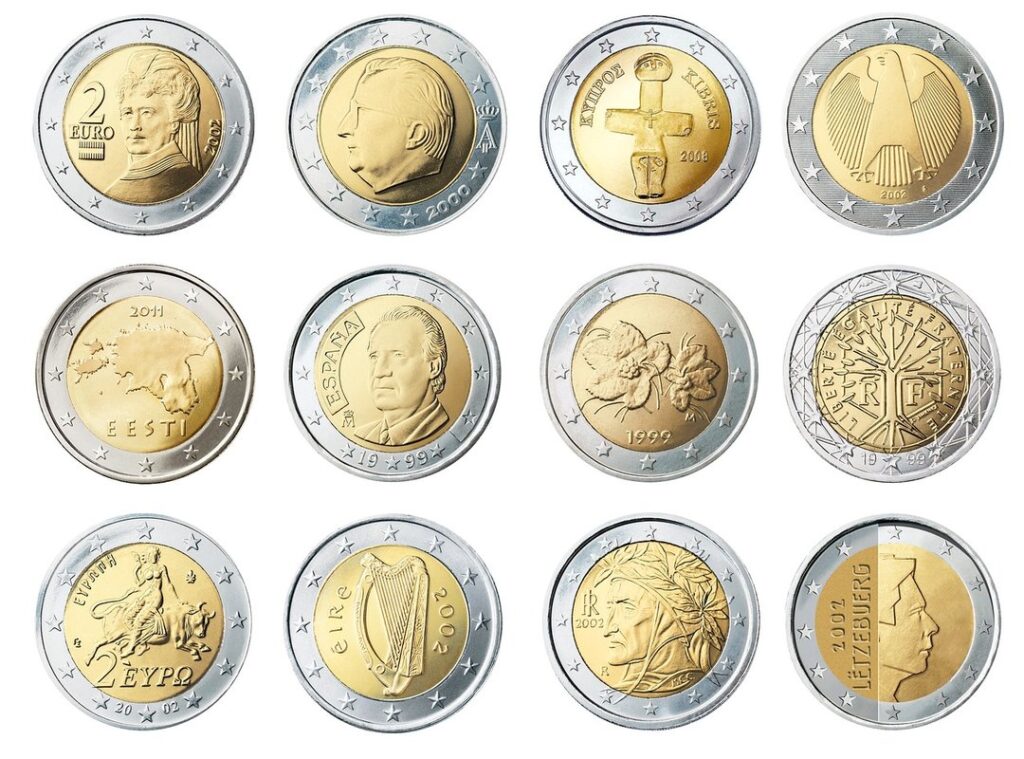
Currency fluctuations can feel like a rollercoaster ride. They impact profitability and strategic planning in ways that often leave businesses reeling.
How can you make sense of this wild ride? Many struggle to grasp the full effects of currency changes, leading to missed opportunities and unexpected losses. This isn’t just bad luck; it’s a lack of informed analysis and market insight.
I’ve seen it firsthand. Understanding how the global market works is key for navigating these challenges. In this article, I’ll break down the currency fluctuations impact on various sectors, and I promise to go beyond just definitions.
You’ll get practical perspectives that help you make smart decisions. This isn’t about theory; it’s about real-world application. By the end, you’ll have a clearer, actionable understanding of how to improve your financial strategies amid changing currencies.
Let’s dive in and demystify this key topic together.
The Currency Dance: What Moves the Market?
Currency exchange rates are simple on the surface: they show how much one currency is worth compared to another. But underneath, it’s a whirlwind of forces. Have you ever wondered why currencies rise and fall?
When a currency appreciates, it’s gaining strength. Depreciation? It’s the opposite, losing value.
Central banks play a big role here. When they tweak interest rates, the currency fluctuations impact can be massive. Higher rates often attract foreign capital, boosting currency value.
Inflation’s another beast. If it’s low, a currency might strengthen. But high inflation can make it lose ground.
Trade balances matter too. A country with more exports than imports could see its currency rise.
Now, let’s not forget geopolitics. Stability often means a stable currency. Chaotic politics?
Expect currency chaos. Economic performance indicators, like GDP growth and unemployment rates, also sway short-term movements.
And speculation? Traders thrive on guessing where rates are headed. A rate hike by a central bank can ripple through markets, affecting consumer behavior.
Speaking of behavior, check out Consumer Behavior Economic Shifts for more. It’s a wild ride, isn’t it?
Currency Fluctuations: Making or Breaking Business
Ever wondered why your favorite tech gadget’s price suddenly jumped? It’s the currency fluctuations impact. When your country’s currency weakens, your exports get cheaper and more competitive.
That’s a win for exporters, boosting their sales and potentially fattening their profit margins. But let’s flip it. A stronger domestic currency can tank this advantage by making exports pricier, hurting competitiveness.
Now, let’s talk importers. When your domestic currency is strong, imported goods become cheaper. Think of a tech company importing semiconductors.
Suddenly, your once-thriving market trails behind.
Their costs shrink, and profit margins might just widen. But if the currency plummets? Brace yourself for higher prices, which can trickle down to consumers.
Imagine paying more for electronics. That’s the reality.
Global supply chains aren’t immune either. Higher costs for imported components can shift sourcing strategies or even production locations. It’s not just numbers on a spreadsheet; it’s a whole logistical rethink.
And don’t ignore currency volatility. It isn’t just a buzzword (trust me). It means exchange rate risk, complicating international transactions and demanding serious financial planning.
Let’s bring in some real-world examples. A tech company importing components benefits when the currency is strong. On the flip side, an agricultural business exporting produce thrives with a weaker currency.
For more on the nitty-gritty of this complexity, check out this breakdown. It’s important reading if you’re navigating these choppy waters.
Currency Chaos: Navigating Investment Ripples
Ever watched your home currency tank and wondered what it means for investments? Imagine watching a country’s currency depreciate. Suddenly, their assets (like factories and land) look like a bargain to foreign investors.
It attracts capital. These folks swoop in for what seems like an easy buy.
But then there’s the other side. A stronger foreign currency can boost returns for domestic investors holding foreign assets. Why?
Because when you convert them back, there’s more bang for your buck. But beware: a weaker foreign currency can easily eat away at those returns.
And let’s not forget the “carry trade.” It’s where investors play interest rate differentials like a seasoned card shark, betting on expected currency shifts. It’s a gamble, but some love the thrill.
Hedging is your safety net, dampening exchange rate risks on international holdings. You might hold shares in a foreign firm, hoping their currency stays strong against yours. Does that always work out?
Not always. But staying tuned to current global market trends is key. Trust me, the currency fluctuations impact isn’t one to ignore.
Currency Matters: Inflation, Growth, and Power
Currency fluctuations impact our wallets more than we might think. When a domestic currency weakens, it often leads to what economists call “imported inflation.” This means the foreign goods and raw materials we rely on become pricier. Ever noticed how electronics or imported foods suddenly get more expensive?
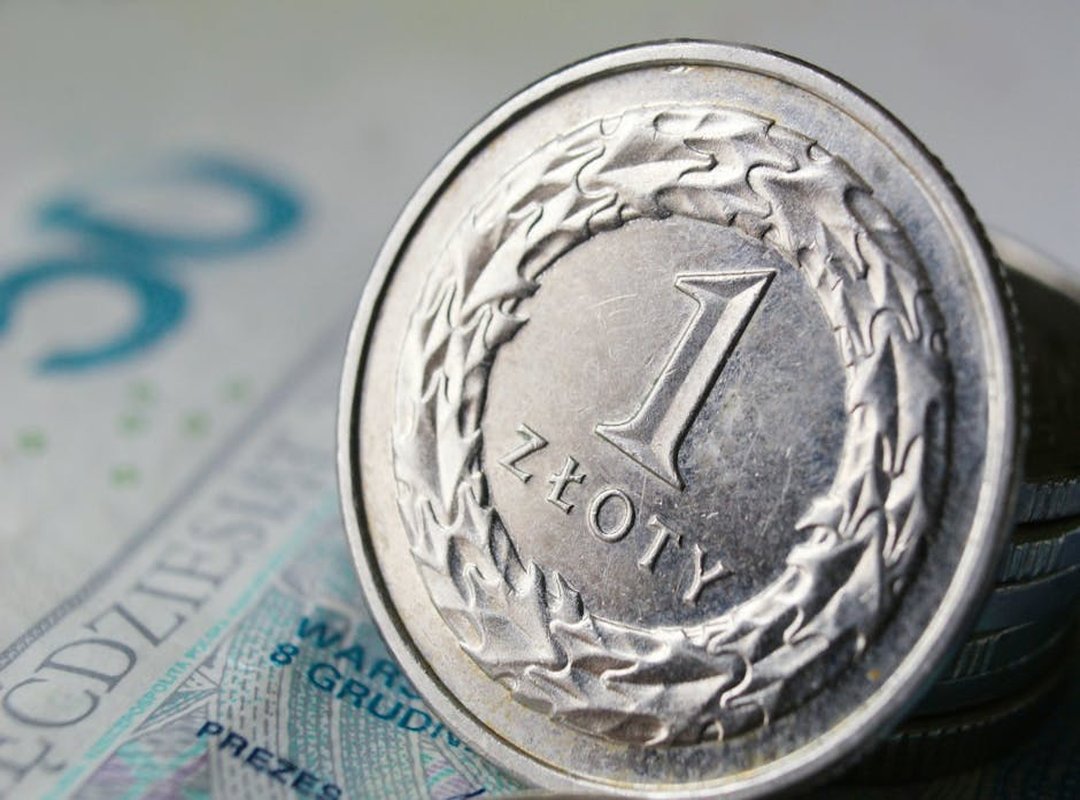
That’s the culprit.
On the flip side, a stronger currency can lead to disinflation (or even deflation) by making imports cheaper. This can be a boon for consumers. Suddenly, traveling abroad or buying luxury imports doesn’t break the bank.
But there’s a catch. While a strong currency makes shopping abroad cheaper, it might hurt export-led growth. Why?
Because our goods become more expensive for foreign buyers.
And then there’s the global stage. Currency values can tilt a nation’s competitiveness. A weaker currency might boost exports but could destabilize the economy.
Central banks are often on the front lines, adjusting monetary policy to respond to these shifts.
Ultimately, your purchasing power hinges on these currency dynamics. So next time you’re planning a trip or buying that imported gadget, remember: currency swings aren’t just numbers (they’re) real and impactful.
Navigating Currency Chaos: Strategies for Survival
I’ve seen firsthand how the currency fluctuations impact can turn a promising business plan into a nightmare. One moment, profits soar. The next, they plummet.
It’s a wild ride. But here’s the kicker: you can actually use this chaos to your advantage if you’re smart about it.
Let’s talk hedging. Have you tried forward contracts or currency swaps? They’re your best friends in this game.
These financial tools can stabilize your currency positions, giving you some breathing room. But don’t stop there. Consider diversifying your supply chain.
Spread it across different countries. Why rely on one currency when you can play the field?
And about pricing. Changing models are the way to go. Ever thought about invoicing in a stable foreign currency?
It might just save your bacon.
Oh, and let’s not forget financial forecasting. It’s not just a buzzword. Anticipating shifts in the market can make or break you.
Investors, take note. Geographic diversification is your ally.
And always keep an eye on economic indicators. They’re like tea leaves for the financial world. Trust me, proactivity and adaptability are your keys to transforming volatility into opportunity.
Get through Currency Risks with Confidence
Understanding how currency fluctuations impact your business is important. It’s not just theory; it’s survival. The currency markets are unpredictable, and that uncertainty can shake your finances.
But you have tools at your disposal. By staying informed and strategically adjusting your approach, you can turn potential pitfalls into opportunities. I urge you to analyze market trends regularly.
Review your financial strategies and don’t hesitate to seek expert advice. Act now to safeguard your assets and make sure growth amidst volatility. Don’t wait for the storm to hit.
Take charge and get through the currency space with confidence.
 Therynna Riverhaven is a contributor at Eyex Business who focuses on leadership development, financial planning, and modern corporate strategies. Her writing combines clear explanations with insightful perspectives, making complex business topics more approachable for professionals, entrepreneurs, and ambitious readers alike. She is especially passionate about helping businesses navigate change while maintaining sustainable growth and operational stability.