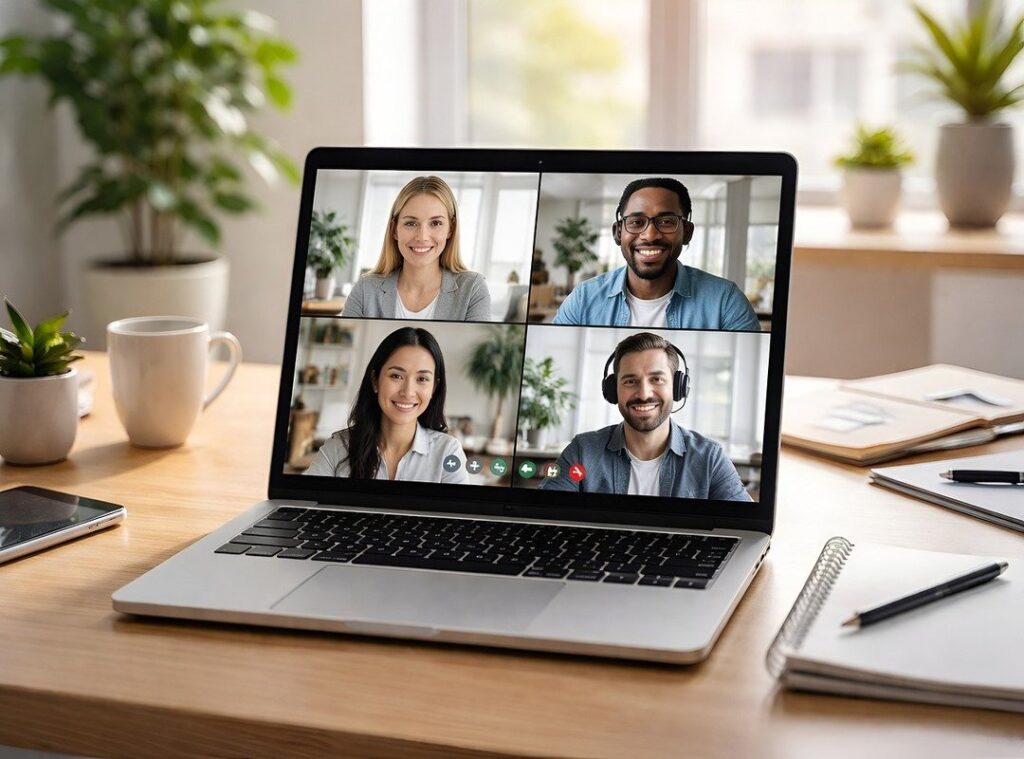

I’ve seen companies spend thousands on productivity tools while ignoring the one thing that’s costing them more: their employees can’t see their screens properly.
You’re probably dealing with team members who seem slower in the afternoon, make more mistakes than they should, or complain about headaches. That’s Digital Eye Strain. And it’s eating into your profits.
Here’s what most business leaders miss: eye health isn’t a wellness perk. It’s a performance issue.
I spent months reviewing ergonomic research and tracking what actually works in real offices. Not the feel-good stuff. The changes that move numbers.
This article gives you four principles that turn eye health into a productivity advantage. I’ll show you the best ways to increase productivity eyexbusiness without blowing your budget on expensive overhauls.
The data is clear. Digital Eye Strain causes measurable drops in efficiency and spikes in errors. But the fixes are simpler than you think.
You’ll learn exactly which changes to make, how to implement them without disrupting workflow, and why these adjustments pay for themselves fast.
No fluff about employee happiness. Just practical steps that reduce strain and boost output.
The Hidden Cost: Quantifying the Link Between Eye Strain and Business Output
You probably don’t connect your afternoon headache to lost revenue.
But I do.
I’ve watched teams grind through their workdays while dealing with blurred vision and neck pain. They push through because that’s what we do. We tell ourselves it’s just part of working on screens all day.
Here’s what most people don’t realize.
Digital eye strain (or DES if you want the clinical term) isn’t just uncomfortable. It’s costing you money.
The Productivity Drain
When your eyes hurt, you work slower. That’s not an opinion. A study from the American Optometric Association found that workers with untreated vision problems lose about 15 minutes of productivity per day on average.
Fifteen minutes doesn’t sound like much until you multiply it across your whole team for a year.
But the real damage comes from errors. When you’re squinting at a screen with a headache building behind your eyes, you miss things. You transpose numbers in spreadsheets. You skim emails too quickly and miss key details.
I talked to a financial analyst last month who caught a $50,000 error in a client proposal. She only spotted it because she’d finally gotten computer glasses and could actually see her work clearly. Makes you wonder what she didn’t catch before that.
Beyond the Screen
Here’s where it gets interesting.
Eye strain doesn’t stay at your desk. Once your visual system is fatigued, everything else follows. Your brain works harder to process what you’re seeing, which drains your overall energy faster.
That afternoon meeting where you can’t focus? The brainstorming session where ideas just won’t come? There’s a good chance your eyes are part of the problem.
Research from the Vision Council shows that 65% of Americans experience symptoms of digital eye strain. Most of them don’t connect their lack of creativity or focus to their vision.
The Financial Impact
Let me put this in terms that matter for business decisions.
The average worker loses 2.5 workdays per year to DES-related symptoms according to workplace health studies. That’s sick days, reduced output, and mistakes that need fixing.
For a team of 20 people, you’re looking at 50 lost workdays annually. Just from eye problems.
Some business owners tell me this is overblown. They say people have always worked through discomfort and it’s fine. But the data tells a different story.
When companies invest in visual wellness programs (better lighting, screen positioning training, regular eye exams), they see measurable returns. One tech company I know reduced error rates by 23% after implementing simple eye health protocols.
Making the Business Case
Think of eye health like you think about your internet connection. When it’s working well, you don’t notice it. When it’s not, everything slows down.
Here’s what actually works:
- Track the real cost by monitoring error rates and productivity dips during high screen-time periods
- Calculate lost time from headaches and vision-related breaks across your team
- Compare that cost to preventive measures like proper lighting and eye care support
The best ways to increase productivity eyexbusiness start with addressing the basics. You can’t optimize what you can’t see clearly.
I’m not saying eye strain is your only productivity problem. But it’s probably a bigger factor than you think.
And unlike a lot of business challenges, this one has a pretty straightforward solution.
Principle #1: Engineer an Ergonomically Sound Visual Environment
Your eyes hurt at work because your setup is fighting against you.
I see it all the time. People spend thousands on standing desks and fancy chairs but never think about where their screen actually sits. Then they wonder why they’re squinting by 2 PM.
Here’s what most productivity advice gets wrong. They tell you to just “take breaks” or “look away from your screen.” Sure, that helps. But if your monitor is in the wrong spot, you’re still straining your eyes every single minute you work.
Some experts say ergonomics is all about your chair and keyboard. They argue that visual setup is secondary to posture. And yeah, posture matters.
But your eyes? They’re doing the heavy lifting all day long.
Let me walk you through what actually works.
Start with your lighting. Window glare is probably killing your productivity right now. If you can see your reflection in your screen or you’re squinting because of bright spots, that’s a problem. Move your desk perpendicular to windows when possible. Overhead fluorescents create the same issue. I recommend ambient lighting that fills the room without creating hotspots on your display. Then add a desk lamp for focused work that doesn’t point at your screen.
Now for the monitor placement. I call this the golden triangle, and it’s simpler than you think. Top of your screen should sit at or just below eye level. Not above. Not way below. Right there. Distance? One arm’s length away. Tilt it back about 10 to 20 degrees. That’s it.
(Most people have their monitors way too high because they stacked books under them after reading some blog post from 2015.)
Your chair height changes everything. Even with perfect monitor placement, if you’re sitting too low or too high, your neck compensates. That creates strain that radiates to your eyes. Your feet should rest flat on the floor. Your knees at a 90-degree angle. This positions your head correctly for that golden triangle we just talked about.
Want to know the best ways to increase productivity eyexbusiness? Fix your visual environment first. Everything else builds from there.
Quick Audit Checklist:
- Screen top at or below eye level
- Monitor one arm’s length away
- No glare from windows or overhead lights
- Chair height allows feet flat on floor
- Screen tilted back slightly
Run through this list right now. I bet you find at least two things that need adjusting.
Principle #2: Mandate and Normalize Structured Visual Breaks
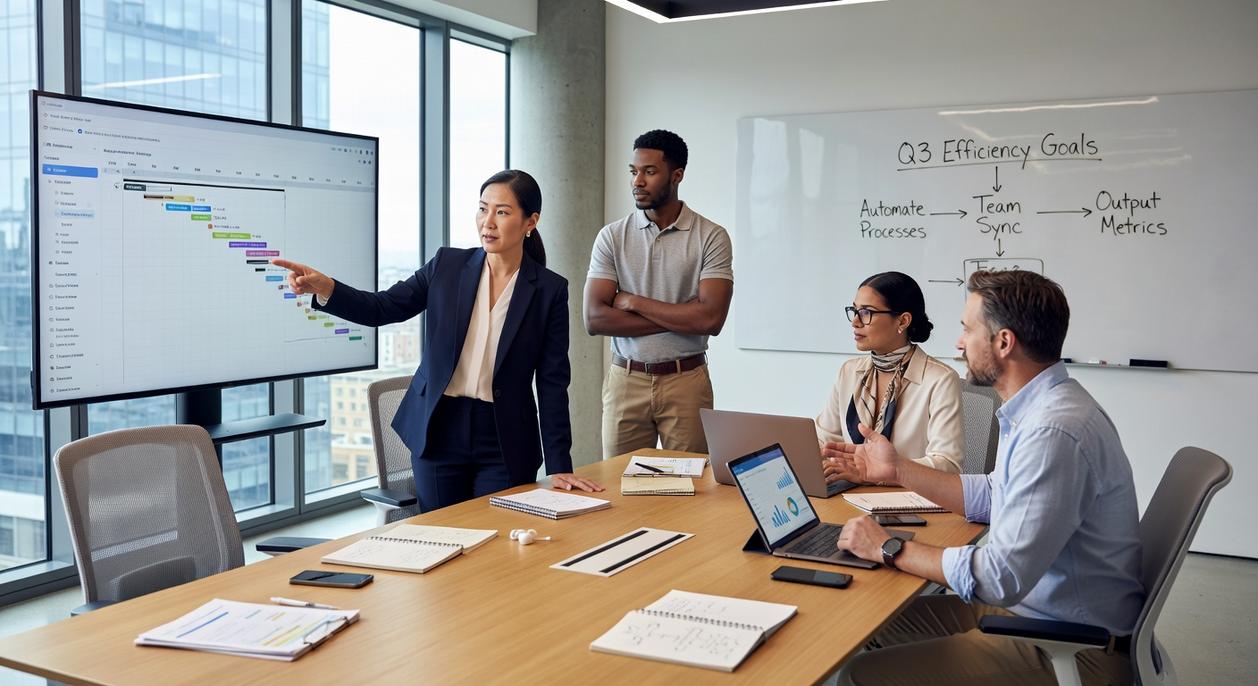
Most workplace wellness programs treat eye breaks like an optional perk.
You know, the kind of thing HR mentions once during onboarding and then everyone promptly forgets.
But here’s where I disagree with that approach entirely.
Eye breaks shouldn’t be optional. They should be mandatory. Built right into your company’s workflow like lunch breaks or team standups.
I know some managers push back on this. They say forced breaks kill momentum. That top performers don’t need someone telling them when to rest their eyes.
That’s nonsense.
The 20-20-20 rule works because of basic biology. Every 20 minutes, you look at something 20 feet away for 20 seconds. This gives your ciliary muscles (the ones that control your eye’s focus) a chance to relax. When you stare at a screen all day, those muscles stay contracted in the same position for hours. That’s what causes the strain.
Think of it like holding a weight with your arm extended. You can do it for a while, but eventually your muscle fatigues.
Your eyes work the same way.
Now here’s what most articles won’t tell you. The real benefit isn’t just about eye health. These microbreaks reset your entire system.
When you step away from your screen for 20 seconds, you’re also interrupting the mental fatigue cycle. You’re standing up (hopefully), which breaks sedentary patterns. You’re giving your brain a moment to process what you were just working on.
I’ve seen teams double down on this and actually produce better work. Not despite the breaks, but because of them.
So how do you make it happen?
Start with company-wide calendar reminders. Set them to ping every 20 minutes during core work hours. Yes, it feels weird at first. People will complain. Do it anyway.
You can also use free browser plugins that dim your screen or show a reminder. Some even lock you out for 20 seconds (which sounds extreme but works for people who need that push).
Better yet, build eye breaks into your meeting agendas. If you’re running a 60-minute session, schedule two quick breaks where everyone looks away from their screens. It becomes part of the culture instead of something people feel guilty about doing.
The best ways to increase productivity eyexbusiness come from understanding that rest isn’t the opposite of productivity. It’s part of it.
For more on building sustainable business practices that actually work, check out eyexbusiness financial world news from eyexcon.
Look, I get the resistance. Taking breaks feels counterintuitive when you’re slammed with deadlines. But your eyes (and your output) will thank you for treating this like the non-negotiable it should be.
Principle #3: Leverage Technology as a Tool for Eye Comfort
Your computer already has tools to protect your eyes.
Most people don’t use them.
Start with Night Light on Windows or Night Shift on Mac. These features cut blue light after sunset, which helps you sleep better and reduces strain during late work sessions. I turn mine on around 7 PM and notice the difference within minutes.
Here’s what else you should do.
Match your screen brightness to your room. If your monitor glows like a flashlight in a dark room, you’re asking for headaches. Dim it down until it feels natural. And bump up your text size while you’re at it (nobody’s giving out awards for squinting at 10-point font).
Want to take it further?
Anti-glare filters work if you deal with overhead lights bouncing off your screen. Flicker-free monitors are worth considering too, especially if you’re staring at spreadsheets all day. They cost more upfront but your eyes will thank you.
The same way how to get more clients in your business eyexbusiness requires using the right tools, protecting your vision means actually using what’s available.
You don’t need fancy gadgets to start. Just open your settings tonight and turn on blue light filtering. Adjust your brightness. Make your text readable.
Small changes add up when you’re working eight hours a day.
Principle #4: Cultivate a Proactive Culture of Visual Wellness
You can’t just tell people to take care of their eyes and expect it to happen.
I’ve watched companies try this approach. They send one email about eye health and wonder why nothing changes.
Here’s what I think will happen over the next few years. Companies that build visual wellness into their actual culture (not just their benefits package) will see measurable differences in productivity. The ones that don’t? They’ll keep losing hours to preventable eye strain.
Start with education. Add eye health tips to your onboarding process. Include them in wellness newsletters. Make it part of how you communicate internally.
But here’s the part most companies miss.
Your managers need to lead by example. When team leaders visibly take screen breaks and encourage their teams to do the same, it becomes normal. Not a sign that someone can’t handle the workload.
I predict we’ll see a shift here. The best ways to increase productivity eyexbusiness will stop being about squeezing more hours from people and start being about protecting their capacity to perform.
Remind your team to use their vision benefits. Regular eye exams aren’t optional anymore. They’re part of your professional toolkit, just like your laptop or your project management software.
Make it easy. Send reminders. Share how many people on the team have scheduled their annual exam. Normalize it.
Because here’s my speculation: in five years, companies that ignore visual wellness will struggle to compete with those that don’t.
A Clear Vision for a More Productive Future
You now have four principles that connect eye health directly to productivity.
I’ve shown you how to optimize your environment, take the right breaks, use technology smartly, and build a culture that supports visual wellness.
Here’s the reality: ignoring this stuff isn’t just uncomfortable anymore. It’s costing you real efficiency and killing team morale.
The good news? These strategies don’t require a massive budget. You can start small and see results fast.
Pick one principle from this guide and implement it this week. Just one.
Track what happens to your team’s focus and output. You’ll see the difference.
Want more best ways to increase productivity eyexbusiness strategies? We cover everything from growth tactics to financial planning that actually works.
Your eyes are working harder than ever in the digital workplace. Give them what they need and watch your productivity climb.
Start today. Measure the results. Then come back for the next step.
 Xlythra Grey is the visionary founder behind Eyex Business, a platform created to simplify complex business concepts and transform them into practical, actionable insights for modern entrepreneurs and professionals. With a strong passion for strategic development and market behavior, Xlythra established the website to become a reliable destination for readers seeking clarity in the fast-moving world of business, finance, and innovation. Her leadership combines analytical thinking with creative direction, helping Eyex Business stand out through detailed breakdowns and forward-focused reporting.