
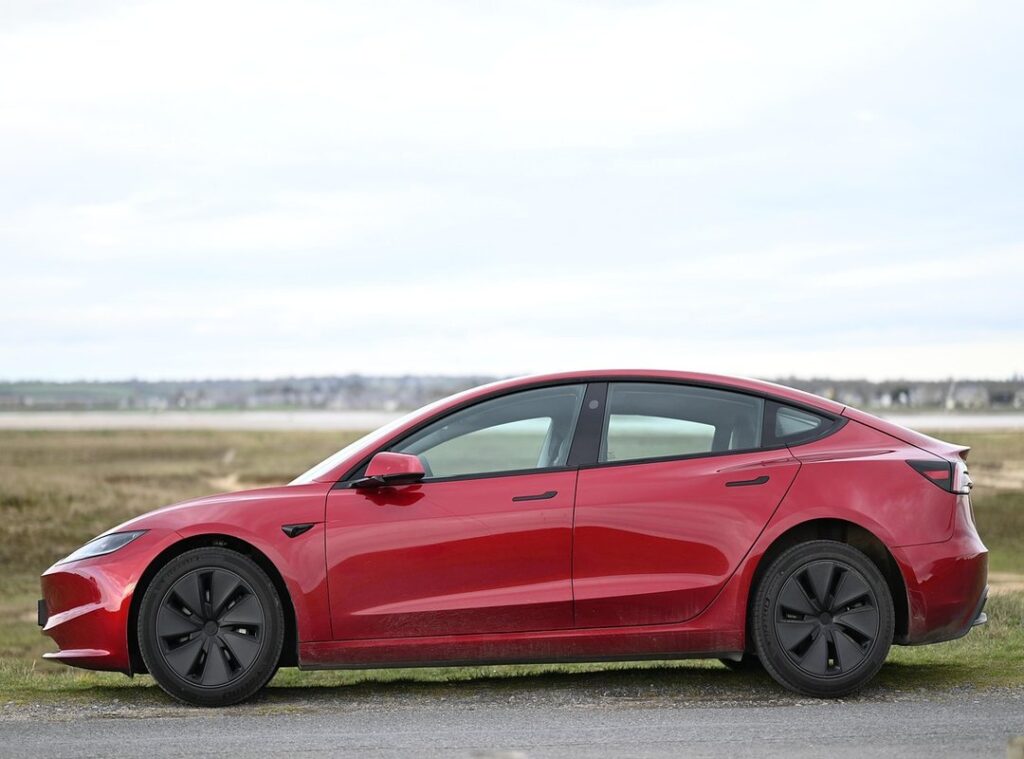
Businesses struggle with innovation. It’s a constant challenge. Yet, Tesla seems to thrive in this chaotic space.
Why is that?
In this article, I’ll break down Tesla’s approach to innovation and what makes it so effective. You’ll find that they don’t just think outside the box; they redefine the box entirely.
I’ve looked at market trends and successful strategies, and Tesla stands out. Their constant pursuit of progress offers real lessons for anyone wanting to shake things up in their own ventures.
You want actionable takeaways? You’re in the right place. This isn’t just about theory; it’s about practical steps to create a culture of disruption.
By diving into Tesla innovation lessons, you’ll walk away with a deeper understanding of how to set up these concepts in your business. Let’s get started and see how you can apply these solid ideas to drive your success.
Breaking Down Tesla’s Innovation Magic
When I think of Tesla’s innovation lessons, the first thing that pops into my mind is their commitment to first principles thinking. It’s all about stripping things down to the core facts. None of that copying what everyone else is doing.
Ever wondered why Tesla keeps surprising us with its wild solutions? It’s because they don’t just tweak existing ideas; they rebuild them from scratch.
Take battery design, for example. Instead of following the traditional route, Tesla looked at the basic chemistry and manufacturing processes. They reinvented the entire thing.
This isn’t merely about batteries. Their approach applies to everything they do, including manufacturing.
The real kicker? Their mission-driven focus. It’s not about selling more cars or making a quick buck (it’s) all about pushing the world toward sustainable energy.
And that long-term vision? It changes everything. It motivates them to go beyond what’s already known, aiming for true innovation.
So next time you see a Tesla product, think about what it represents. It’s not just an electric car. It’s a challenge to the status quo.
A reminder that real change comes from breaking things down and rebuilding them better. Tesla isn’t just a car company. It’s a thought revolution.
Vertical Integration: Tesla’s Secret Weapon
Tesla’s plan is all about control. From making their own battery cells to developing software and building the Supercharger network, they keep everything tight. Why?
Because having a grip on the entire value chain speeds up innovation. You can solve problems faster when you don’t have to wait for suppliers. It’s like having the keys to your own kingdom.
Think about it. If Tesla needs to tweak something, they just do it. No red tape or waiting around.
This closed-loop space (cars, energy storage, charging) isn’t just about convenience. It fuels innovation and creates a top-notch user experience. When you’re in control, you can make everything work seamlessly together.
Tesla’s not just relying on anyone else for key parts. That’s a serious competitive advantage. They can iterate faster and develop proprietary tech that others can’t touch.
It’s a lesson in how owning your processes can lead to breakthroughs.
And while we’re talking about innovation, check out apple branding plan. It’s another masterclass in owning your narrative and creating a cohesive experience. Tesla innovation lessons show that when you master your space, you don’t just play the game.
You change it.
Rapid Iteration and Risk-Taking: The ‘Beta’ Mindset
Tesla’s approach to innovation is nothing short of constant. They don’t just tweak things; they overhaul them. I’ve watched as they roll out cars in a ‘beta’ state, and it’s brilliant.
Customers become part of the evolution, providing feedback that shapes the future of the product. Who does that?
Tesla’s use of over-the-air updates means your car today isn’t the same as it was last year. It’s a plan that keeps them light years ahead of competitors. This isn’t just about adding features.
It’s about improving safety and performance over time. The magic here is in calculated risk-taking. Traditional industries could learn a thing or two about embracing failure as a stepping stone.
Remember the Autopilot feature? It was a bit wobbly at first but has a lot evolved. That’s the power of rapid iteration.
Check out this deep dive on tesla innovation lessons. It’s fascinating how they turn missteps into stepping stones while others play it safe. Are we missing out by being too cautious?
Tesla sure thinks so, and they’re betting big on it. Their cultural edge is real. Embrace the risks, reap the rewards.
Tech on Wheels: Tesla’s Innovation Drive
You think of a car, you picture metal and wheels. But Tesla? It’s software on wheels.

This shift, treating cars as computers, is what sets them apart. The innovation lessons here are clear: software and AI are at the heart of Tesla’s approach. Take their advanced driver-assistance systems (FSD) beta.
It’s all about data. Millions of vehicles gather data, feeding into AI improvement. And let’s not even start on how they revolutionized manufacturing.
The Gigafactory concept is a product in itself, built for efficiency.
Tesla’s not just about speed; it’s about scale. Innovations in automation and robotics? They cut costs and speed up vehicle development.
They’re pillars. We could all learn a thing or two from Tesla’s playbook. Are we treating our industries as mere mechanics, or are we ready to turn them into digital powerhouses?
And while we’re on the topic of innovation, have you checked out how companies manage their digital consumer base? Netflix Customer Retention is an interesting read (and I know I’m not alone in thinking so). You see, manufacturing and AI aren’t just tools.
You tell me.
Disrupting Norms: Talent, Drive, and Autonomy
How does a company like Tesla manage to pull in top talent consistently? It’s not just the allure of flashy cars (although, let’s admit, they’re pretty cool). The real draw?
A workplace that’s challenging and fast-paced as hell. Tesla dares you to solve problems that others shy away from. Their mission is clear and inspiring, and people love a good mission.
You get autonomy to push limits and challenge the status quo.
But what about the constant drive? It’s there. There’s no denying Tesla demands more than your average corporation.
We’re talking about a culture where failure is seen as a stepping stone. Leadership trusts you to take ownership. Want to innovate?
Great. You’re encouraged to question and redefine boundaries. That’s the Tesla way.
Contrast this with the traditional corporate scene. Many places still cling to rigid hierarchies and safe decisions. Not Tesla.
Here, the expectation of constant effort is balanced with the freedom to innovate. It’s a mix that’s key for continuous breakthroughs. These Tesla innovation lessons aren’t just hype.
They’re the backbone of its success. So, if you’re looking to lead or inspire, maybe take a page out of Tesla’s playbook. Can you handle it?
Unlocking Your Path to Innovation
Understanding Tesla innovation lessons is a game changer. It’s about moving past small tweaks and diving into bold, new ideas. Are you stuck in the cycle of incremental improvements?
By embracing first-principles thinking, vertical integration, and rapid iteration, you can spark creativity and impact. Don’t just sit on these takeaways. Apply them in your industry.
Explore how these strategies can drive change for you. Want more? Check out Eyex Business for deeper breakdowns and takeaways.
Let’s raise your approach to innovation. Take action today and start reshaping your future. Your next-level growth awaits.
 Tarynith Glintfield is a contributor at Eyex Business who specializes in market trends, startup development, and emerging business opportunities. Known for his structured analysis and engaging writing style, he focuses on helping readers better understand the strategies shaping today’s competitive industries. His work often explores economic movement, operational efficiency, and the mindset required for long-term business growth.