
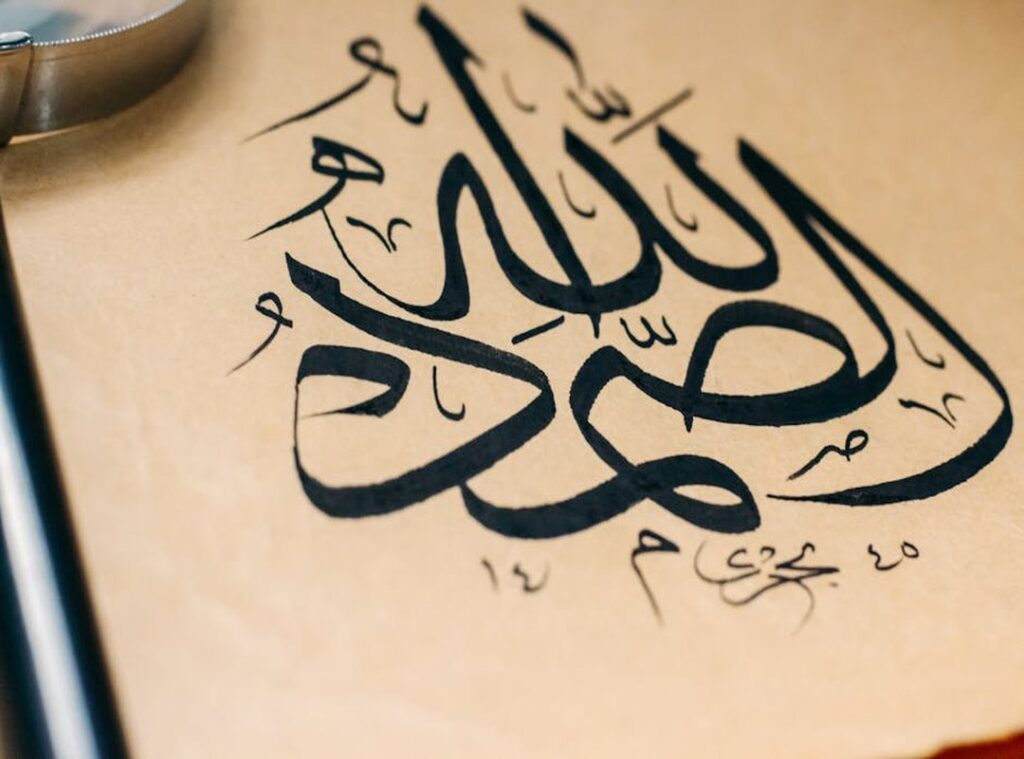
You’ve probably seen the ﷽ symbol popping up in online comments, forums, or social media. It’s everywhere, yet no one seems to explain what it means. This can be frustrating, especially when you’re left scratching your head.
I’m here to demystify it. The ﷽ copypasta has a rich history and a unique place in internet culture. We’ll dive into its religious significance, how it became an internet meme, and the cultural conversations around its use.
By the end, you’ll move from simple curiosity to informed awareness. If you’re not familiar with the term “copypasta,” it’s just internet slang for a block of text that gets copied and pasted repeatedly. Let’s get started.
Decoding the Symbol: The True Meaning of the Bismillah
The ﷽ symbol represents the Basmala, an Arabic phrase pronounced “Bismillah al-Rahman al-Rahim.”
In English, it translates to “In the name of God, the Most Grained, the Most Merciful.”
This phrase holds profound importance in Islam. It is the opening verse for 113 of the 114 chapters (surahs) of the Qur’an.
In daily life, Muslims use the Basmala to seek blessings before starting any task. Whether it’s eating a meal, beginning a journey, or giving a speech, this phrase is a constant reminder of divine presence and guidance.
It’s not just a decorative character. The Basmala is a sacred phrase deserving of the highest respect within the Islamic faith.
Artistically, the Basmala is celebrated in Islamic calligraphy. Its form is often seen as a high art, with intricate designs and beautiful scripts that reflect its spiritual significance.
Understanding the Basmala can help non-Muslims appreciate the depth of Islamic culture and the reverence Muslims have for their faith.
From Sacred Verse to Viral Copypasta: The Meme Explained
You’ve probably seen it. A block of text, seemingly out of place, popping up in the most unexpected places. That’s the power of a copypasta.
It all started on platforms like Twitch, Reddit, and 4chan. These are spaces where chaos and creativity often collide.
The visually complex and unique appearance of this text makes it stand out. It’s not just any text; it’s something that grabs your attention immediately.
Why do people use it, and for ironic or absurdist humor, mostly. It’s a way to add a layer of absurdity to any conversation. Eyexbusiness
Take, for example, flooding a live stream chat during an exciting moment. Or posting it under a completely unrelated YouTube video. It’s all about the shock value and the disruption.
There are two types of users here. Some are genuinely unaware of its meaning and just find it funny. Others use it intentionally to troll or provoke a reaction.
It’s a tool, really. A tool for those who want to make a statement, or just mess with the flow of a conversation.
So, the next time you see ﷽ copypasta, you’ll know exactly what’s going on.
Is Using the ﷽ Copypasta Disrespectful?
Many Muslims see the use of ﷽ in trivial or profane online spaces as deeply disrespectful. It’s a sacred phrase, and using it in a meme can feel like blasphemy.
But there’s another side to this. Some argue that many users are simply unaware of its meaning. They might just be using it for its aesthetic or disruptive value without any malicious intent.
So, what’s the right way to handle this? Understanding the cultural significance of symbols is key. It’s about digital etiquette and being culturally aware.
Even if the intent isn’t to offend, the impact can still be harmful.
In the end, it’s a matter of respect. Whether you’re sharing a meme or engaging in a discussion, knowing the weight of the symbols you use can make all the difference.
Understanding the Full Story Behind the Trend
The ﷽ copypasta has undergone a significant transformation, evolving from a revered Islamic phrase to a widely recognized and often controversial internet meme. This journey highlights how symbols can be recontextualized in digital spaces. The article emphasizes that the symbol holds deep religious significance, which is entirely separate from its use as a copypasta.
You are now better equipped to understand both the original meaning of the symbol and why it appears in various online contexts. This example underscores the importance of digital literacy. Context and meaning can easily be lost in translation on the internet.
Curiosity about unfamiliar symbols should lead to understanding rather than misuse.
 Tarynith Glintfield is a contributor at Eyex Business who specializes in market trends, startup development, and emerging business opportunities. Known for his structured analysis and engaging writing style, he focuses on helping readers better understand the strategies shaping today’s competitive industries. His work often explores economic movement, operational efficiency, and the mindset required for long-term business growth.